
Cabinet refacing is one of the more appealing options in kitchen remodeling — you keep the existing cabinet boxes, replace the doors and drawer fronts, and apply new veneer to exposed surfaces. Done well, it can dramatically change the look of a kitchen at roughly half the cost of full replacement. Done poorly, it creates problems that are expensive to fix and hard to hide.
The six issues below come up in refacing projects regularly. Understanding them before you start — and knowing how a contractor should handle each one — is the difference between a project that holds up for twenty years and one that starts looking wrong within months.
- Mismatched Style and Finish
- Skipped or Inadequate Prep Work
- Doors and Drawers That Do Not Fit
- Underestimated Budget and Timeline
- Choosing Trendy Finishes That Date Quickly
- Structural Damage Underneath
Mismatched style and finish
The most visible refacing failure is a new door and drawer front that does not match the rest of the kitchen. This can happen when the veneer color reads differently under your kitchen lighting than it did on a sample card, or when the door profile clashes with hardware, countertops, or backsplash you are keeping. The result looks like two kitchens layered on top of each other.
Preventing this requires looking at samples in your actual kitchen under your actual lighting — not in a showroom. A good remodeler will bring physical door and veneer samples to your home, not just digital renderings. You should also evaluate the new finish against every material you are keeping: countertops, flooring, backsplash, and appliances. If the kitchen has stainless appliances and dark granite, a light veneer with shaker doors may work beautifully; the same veneer with a mismatched grain or undertone will fight everything around it.
If you are replacing the hardware at the same time — which most homeowners do when refacing — select the hardware before finalizing the door style. Pull placement and the gap between pulls affects how a door reads visually just as much as the finish itself.
Skipped or inadequate prep work
Refacing fails when it is applied to cabinet boxes that are not properly prepared. Grease, old adhesive residue, and surface contamination prevent veneer from bonding correctly. Moisture-damaged particleboard swells under veneer and causes bubbling or delamination within a few years. Warped frames create gaps where the new doors meet the cabinet body.
A thorough prep phase includes degreasing all surfaces, sanding to create adhesion, checking every cabinet box for square, and inspecting the interior and back panels for moisture damage or soft spots. Any box that is structurally compromised should be replaced rather than refaced — otherwise you are covering up a problem that will reappear.
In Minnesota kitchens, humidity swings between winter heating season and summer can stress adhesive bonds in cabinets near exterior walls or above or below a window. This makes prep and adhesive selection more important than in more temperate climates. Contractors who work regularly in the Twin Cities understand this and will use products rated for the full seasonal range.
Doors and drawers that do not fit
Measurement errors are the most common technical problem in cabinet refacing. Even small errors — a sixteenth of an inch off on a door height, a hinge placement that does not account for overlay — produce gaps that are obvious and cannot be adjusted after installation. Drawer fronts that are slightly too wide will bind or refuse to close properly.
The fix is disciplined measuring done twice before anything is ordered. Every door and drawer front should be measured from the actual opening, not inferred from a floor plan. Hinge placement, overlay style (full overlay vs. partial overlay vs. inset), and the space needed for soft-close hardware all affect the final dimensions. If your refacing contractor is ordering doors without coming to your home to measure, that is a warning sign.
This is also why lead times matter. Custom-made doors are typically not returnable. A measurement error means reordering and waiting — and potentially living with incorrectly sized panels during a weeks-long delay. Precision upfront is far less expensive than the alternative.
Underestimated budget and timeline
Refacing is often marketed as a weekend project or a DIY-friendly alternative to full replacement. In practice, a professional refacing of an average kitchen takes one to two weeks, and costs can run from $7,000 to $15,000 or more depending on cabinet count, door style, and whether new countertops are being installed at the same time. Homeowners who plan for a few days and a few thousand dollars are regularly surprised.
The underestimate happens in two ways. First, material costs for quality veneer and solid-wood door fronts are higher than budget laminate alternatives, and the difference in durability and appearance is significant. Second, scope tends to expand once the project starts — a new backsplash that makes sense now that the cabinet color is changing, updated under-cabinet lighting that is easier to install while the cabinets are accessible, or countertop replacement that gets triggered by seeing the new cabinet finish.
A detailed itemized estimate before any work begins, including contingency for scope additions, is the only way to avoid this. A contractor who gives you a range without a written breakdown is not in a position to hold to it.
Choosing trendy finishes that date quickly
Trendy cabinet finishes come and go. Two-tone color schemes, bold paint colors, and heavily textured veneers that photograph beautifully in design magazines often feel dated within five to seven years. For a kitchen update that is supposed to add value and last fifteen or twenty years, that is a significant problem.
The safest approach for refacing is a timeless base — shaker-style doors in white, off-white, or natural wood tones — with personality added through hardware, lighting, and backsplash materials that are easier and less expensive to update later. This is not a rule against personality; it is a recognition that the most durable design choices are the ones that age gracefully rather than chasing the moment.
If you are drawn to a trending finish, ask your contractor to show you examples of similar kitchens installed five to eight years ago. How do they look today? That question is more useful than any current design trend report.
Structural damage underneath
Refacing does not fix structural problems — it covers them. If the existing cabinet boxes have water damage from a past sink leak, damaged particleboard from years of moisture exposure, or frames that are no longer square due to a shifting subfloor, applying new veneer makes the cosmetic problem go away while the underlying issue continues to worsen.
This is the most important reason to work with an experienced contractor rather than a surface-only refacing specialist. A remodeler who also handles structural repairs can identify damage during the initial walkthrough and either repair the affected boxes or flag them for replacement. Knowing this before the veneer is ordered prevents surprises mid-project and ensures the finished kitchen is structurally sound, not just visually improved.
For older Twin Cities homes — particularly those built in the 1960s through 1980s with kitchens that have never been updated — hidden moisture damage is common. A leaky dishwasher, condensation from a poorly insulated exterior wall, or old plumbing drips that were caught and repaired but not fully dried can all leave cabinet boxes compromised in ways that are invisible until the veneer goes on. If your home fits this profile, budget for the possibility that a few boxes will need replacement, not refacing.
When refacing is the right choice — and when it is not
Cabinet refacing makes sense when the existing boxes are structurally sound, the layout works well for how you cook and live, and you want a significant visual improvement without the disruption and cost of a full replacement. It is the right call for homeowners who like their kitchen's layout but are tired of the appearance.
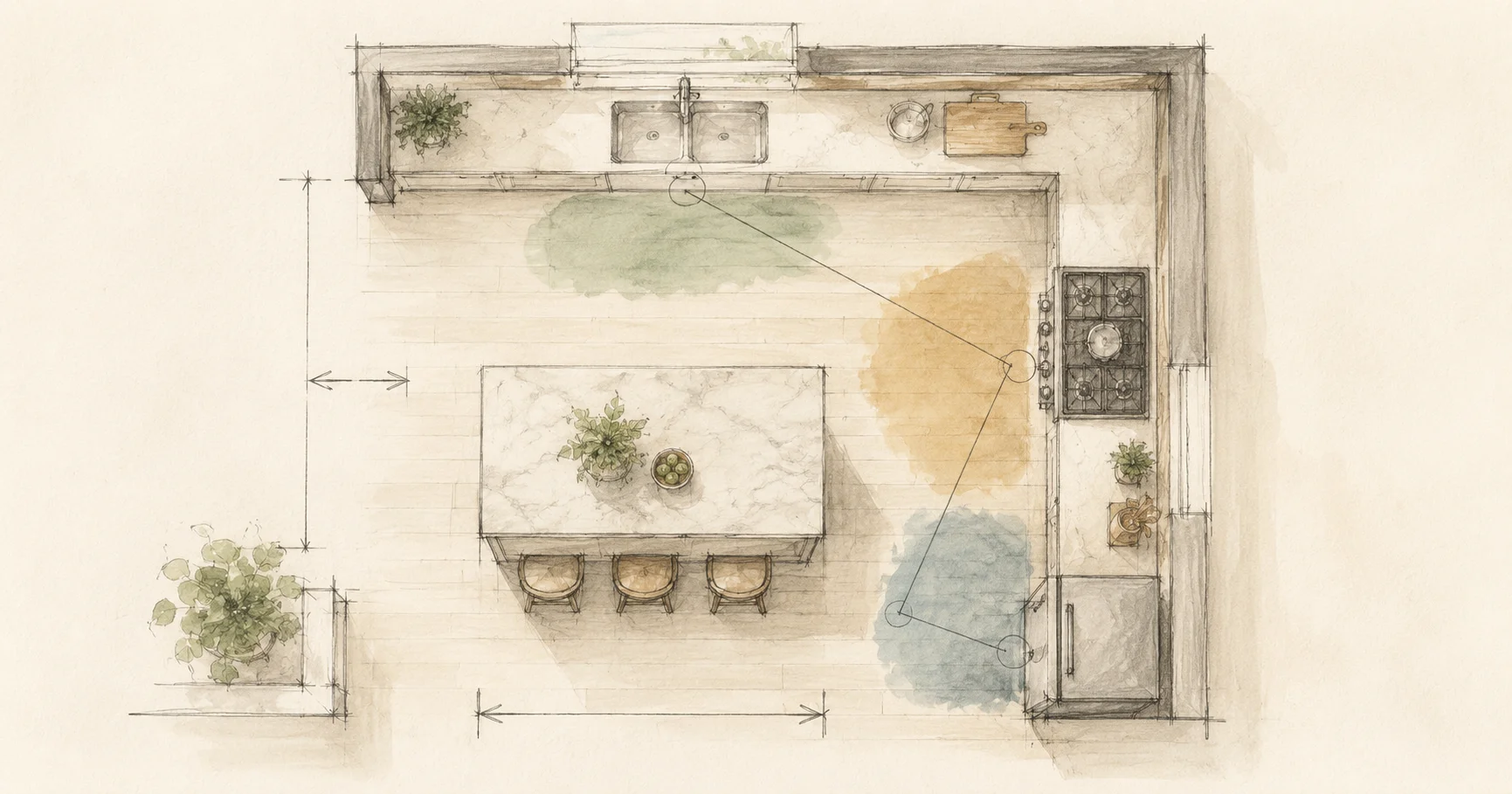
It is not the right call when the layout itself is the problem — when counters are too short, when the work triangle is poorly configured, or when there is simply not enough storage. In those cases, full replacement opens up the possibility of resizing, adding cabinets, or reconfiguring the space in ways that refacing cannot achieve. A kitchen remodeling contractor who is honest about this distinction is one worth hiring.
If you are weighing refacing against full replacement for your Lakeville, Eagan, or Apple Valley kitchen, the conversation starts with your existing cabinet boxes and your layout goals — not with the price difference. The JLC Cost vs. Value report consistently shows that minor kitchen remodels, including cabinet updates, deliver strong returns when the work is done with quality materials and craftsmanship.
Contact us to schedule a consultation and get an honest assessment of whether refacing or full replacement is the right move for your kitchen.