
Remodeling
Designing an Accessory Dwelling Unit (ADU): Minnesota Regulations and Layout Ideas
ADUs can house aging parents, generate rental income, or both — but Minnesota's city-by-city regulations and utility requirements trip up homeowners who skip straight to design. Here's how to start in the right order.
By Honey-Doers

A lot of Minneapolis homeowners want the same two things at once: keep aging parents close without giving up anyone’s privacy, or generate rental income without becoming a landlord of a separate property. An Accessory Dwelling Unit—a self-contained second home on your existing lot—can do both. The catch is getting there.
Minnesota doesn’t have a single statewide ADU law. Regulations vary city by city, and within cities, they vary by zoning district, unit type, and how your existing home is configured. Homeowners who jump straight to design before sorting out the regulatory picture often find themselves redesigning—or stopping altogether. This guide helps you start in the right order.
Understanding ADU Types: Internal, Attached, and Detached
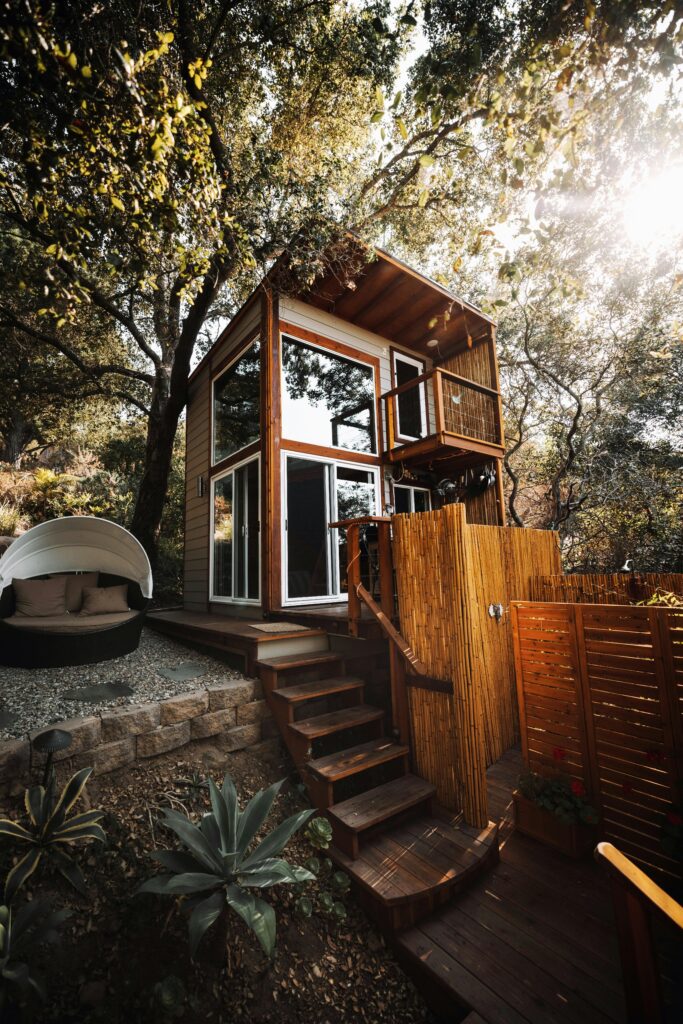
The first distinction that shapes everything else is what kind of ADU you’re building. Minneapolis and most Twin Cities suburbs recognize three types, and the rules differ for each.
Internal ADUs are carved out of existing space within the primary home—typically a basement conversion or attic finish. In Minneapolis, internal ADUs can be up to 1,200 square feet, and they require the owner to record a covenant with Hennepin County before a building permit is issued. That covenant runs with the land and notifies future buyers of the ADU’s existence and restrictions.
Attached ADUs are additions physically connected to the main house—a new wing, a converted attached garage, or a rear appendage. These also max out at 1,200 square feet in Minneapolis and follow the same setback requirements as the primary structure.
Detached ADUs are freestanding structures: backyard cottages, converted garages, or carriage houses above a detached garage. In Minneapolis, detached ADUs are limited to 800 square feet or 60% of the primary home’s gross floor area, whichever is less, and must stay at least 3 feet from side and rear property lines. Height is capped at 16 feet—or 20 feet if the design complements the architectural features of the main home.
One rule applies across all three types in Minneapolis: only one ADU per zoning lot. And the ADU cannot be sold as a separate tax parcel from the primary residence. These requirements are codified in Minneapolis Zoning Code §537.110, the ordinance that governs ADU allowances citywide. The city’s support for ADUs isn’t incidental—it’s deliberate housing policy, rooted in the Minneapolis 2040 Comprehensive Plan, which explicitly promotes ADU expansion as a strategy for density, affordability, and multi-generational housing.
Regulations in suburbs vary. Edina requires shared utility service lines with the principal dwelling unless the Public Works Director approves otherwise. St. Louis Park caps attached and internal ADUs at 40% of the primary home’s gross floor area. Always verify with your specific city before committing to a design.
A note on accuracy: ADU regulations in the Twin Cities have changed frequently in recent years and will likely continue to evolve. The figures in this article reflect current ordinances as of early 2026, but always confirm requirements directly with the Minneapolis Community Planning & Economic Development (CPED) department—or your suburb’s equivalent planning office—before finalizing any design decisions.
The Utility Question: What Most Homeowners Don’t See Coming
The most common budget surprise in ADU projects isn’t construction—it’s utilities. Minnesota State Plumbing Code §311.1 states that every building must have its own independent water and sewer connection. For detached ADUs, this creates a real tension: running new lines from the street is expensive, often $15,000–$40,000 depending on distance and site conditions.
There are legitimate workarounds, and knowing them early changes the math significantly.
The shared-connection alternate. In Minneapolis, a detached ADU can connect its sewer through the principal dwelling’s existing line rather than running a new line to the street—but only if a licensed Master Plumber or Minnesota-licensed Engineer submits an Alternate Code Compliance request to the Department of Safety and Inspections, approved on a case-by-case basis. The ADU also needs a backflow preventer installed. This path requires documentation, but it avoids the cost of a separate street connection and, crucially, avoids triggering a Sewer Availability Charge (SAC) from the Metropolitan Council—a per-unit fee that can add $2,000–$5,000 or more to the project cost depending on the connection type.
Water supply upsizing. Connecting to the main home’s water line is generally allowed, but the existing service line from the street to your meter may be undersized for the combined load—especially in older Minneapolis homes with smaller-diameter pipe. A plumber should assess this before design is finalized, not after.
Electrical. A detached ADU typically needs its own sub-panel fed from the main home’s panel. If your existing panel is already near capacity—common in homes built before 1980—you may need a panel upgrade before adding ADU circuits. Budget for a load calculation early.
The bottom line: for attached and internal ADUs, utility connections are usually straightforward extensions of existing systems. For detached ADUs, plan for the utility infrastructure conversation with a licensed plumber and electrician before you finalize a budget.
4 ADU Layout Ideas That Work in the Twin Cities
With the regulatory and utility picture clear, design becomes the rewarding part. Here are four layout approaches well-suited to Minneapolis-area properties.
1. The Detached Backyard Cottage with Vaulted Ceilings
A freestanding backyard cottage is the ADU most people picture first—and for good reason. It provides complete physical separation between the primary home and the secondary unit, which works well for rental situations or for family members who want genuine independence.
The challenge with detached ADUs in Minneapolis is the 800 square foot cap. That’s a modest footprint, and it demands smart design to feel like a real home rather than a glorified studio. Vaulted ceilings are one of the most effective tools: they add perceived volume without adding square footage, and they create a loft-like quality that reads as designed rather than cramped.
A cottage with an open kitchen and living area on the main level, a sleeping loft above, and a full bathroom fits comfortably within 600–750 square feet—leaving budget headroom for finishes. Exterior design must complement the primary home per Minneapolis code, which is actually a helpful constraint—it produces a cottage that looks intentional rather than tacked on.
Why It Works:
- Maximum separation: Fully independent structure eliminates shared walls and noise transfer
- Design flexibility: New construction allows layout optimization from scratch
- Perceived spaciousness: Vaulted ceilings and open plans overcome the square footage cap
- Rental appeal: Private entrance, no shared spaces, and a distinct address make it easy to rent
Ideal For: Homeowners with a usable rear yard who want a fully independent unit—either for a long-term tenant or a family member who values privacy.
2. The Above-Garage Apartment
If a detached garage already exists on the property, converting the space above it into a living unit is often the most cost-effective detached ADU path. The foundation, exterior walls, and roof structure are already there. You’re adding a floor system, finishing the interior, and adding a stair—not starting from scratch.
The structural considerations are real: existing garage rafters typically aren’t engineered for residential live loads, and the ceiling height may need to be raised to meet code minimums. But those are solvable problems that a structural engineer can address in a single assessment. The payoff is a unit with garage-level storage below and a genuine apartment above—often the most appealing configuration for long-term tenants.
Above-garage ADUs in Minneapolis must observe a 5-foot setback from any alley, and the exterior must match the primary home’s materials and trim details. That’s straightforward when you’re working with an existing structure that already relates to the house.
Why It Works:
- Existing footprint: No new foundation, no major excavation, lower cost baseline than new construction
- Structural efficiency: Garage walls and roof already in place; engineering focuses on floor system
- Storage integration: Garage below remains usable—valuable in Minnesota winters
- Visual fit: Existing structure already sits in scale with the primary home
Ideal For: Homeowners with an existing detached garage in good structural condition who want to add a rental unit without building from the ground up.
3. The Internal Basement Conversion
The internal basement ADU is the most common type in Minneapolis—and often the fastest path from idea to occupancy. You’re working within the existing building envelope, which means no new foundation, no exterior design review, and generally simpler permitting. The covenant recording requirement is the main administrative step specific to internal ADUs.
The two non-negotiable technical elements are egress and acoustics. The 2020 Minnesota Residential Code requires a bedroom egress window with a minimum opening of 5.7 square feet, a sill height no more than 44 inches from the floor, and minimum dimensions of 20 inches wide by 24 inches tall. In a below-grade space, that typically means a window well installation alongside the egress window—a straightforward excavation and masonry project.
Acoustic separation is the quality-of-life variable that most basement conversions underinvest in. The floor assembly between the ADU ceiling and the primary home’s main level carries footfall noise, appliance vibration, and impact sound. Heavy acoustic insulation—mineral wool batts combined with resilient channel or a floating ceiling system—dramatically reduces transmission. This is worth doing right the first time.
For a look at how we approach basement remodeling more broadly, including layout planning and egress work, that’s a good place to start.
Why It Works:
- Lowest barrier to entry: No exterior work, no new foundation, simpler permitting path
- Existing structure: Plumbing and electrical are already nearby and accessible
- Code-compliant egress: Daylight windows solve natural light and emergency exit requirements simultaneously
- Acoustic investment pays off: Proper sound separation makes the arrangement livable long-term for everyone in the house
Ideal For: Homeowners with an unfinished or underutilized basement who want the fastest, most cost-effective path to a legal secondary unit.
4. The Attached Micro-Addition
An attached ADU built as a new addition to the primary home gives you the most control over architectural integration—and the most flexibility on layout. Unlike a basement conversion, you’re not working around an existing footprint. Unlike a detached structure, you can connect mechanicals directly without a separate utility run.
The design challenge is keeping the addition from reading as an afterthought. The most successful attached ADUs treat the connection point as a design feature: a shared roofline, a continuous material palette, matching window proportions. When it’s done well, the addition looks like it was always part of the plan.
These units work especially well for multi-generational arrangements where some connection between the units is desirable—a shared covered entry, a connecting door that can be locked from either side, or a shared outdoor space. The ADU maintains its own kitchen, bathroom, and separate entrance per code, but the adjacency creates options that a fully detached unit can’t.
This type of project often connects to broader whole-home thinking—sequencing an addition alongside other updates to the primary residence. See how we approach whole-home remodeling for more on how that planning process works.
Why It Works:
- Architectural cohesion: New construction can match existing exterior details precisely
- Utility efficiency: Direct connection to main home systems without a long underground run
- Layout control: Design around the occupant’s actual needs, not an existing floor plan
- Multi-generational flexibility: Proximity without loss of independence for either household
Ideal For: Homeowners planning a multi-generational living arrangement who want the ADU to feel like a designed part of the home, not an addition.
Planning Checklist: Before You Start

ADU projects reward front-loaded planning. The questions below are the ones that shape everything downstream.
Zoning and Regulatory
- [ ] Confirm your property’s zoning district and whether ADUs are permitted as-of-right or require a conditional use permit
- [ ] Identify which ADU type (internal, attached, detached) is allowed on your lot and in your zoning district
- [ ] Check your city’s specific size limits—these vary significantly across Minneapolis, St. Paul, Edina, St. Louis Park, and other suburbs
- [ ] Determine whether a recorded covenant is required (mandatory for internal ADUs in Minneapolis)
- [ ] Ask your city whether owner-occupancy is still required—Minneapolis eliminated this requirement; many suburbs have not
Utility Capacity
- [ ] Have a licensed plumber assess the existing water service line diameter and capacity for combined load
- [ ] Determine whether sewer can connect through the principal dwelling’s line (requires Alternate Code Compliance in Minneapolis) or requires a new street connection
- [ ] Have an electrician assess your main panel capacity before adding ADU electrical load
- [ ] Budget for utility upsizing as a contingency line item—not an afterthought
Site and Structure
- [ ] Confirm setbacks for your specific ADU type and lot configuration
- [ ] For basement conversions: verify ceiling height meets code (7 feet minimum habitable space) and plan for egress window installation
- [ ] For detached and attached ADUs: engage a structural engineer before finalizing design
- [ ] Verify exterior design requirements—most Twin Cities municipalities require the ADU to match the primary home’s materials, colors, and trim
Financial and Legal
- [ ] Get a utility capacity assessment before finalizing construction budget
- [ ] Research Metropolitan Council SAC fees—these apply to new utility connections and vary by connection type; the shared-connection Alternate Code Compliance path may allow you to avoid them entirely
- [ ] If planning to rent, confirm your city’s rental licensing requirements and timelines
- [ ] Review our process to understand how we sequence permitting and construction on projects like this
Ready to Make It Real?
An ADU is one of the highest-leverage investments a Minneapolis homeowner can make—adding housing for family, generating income, or both, all on land you already own. The regulatory landscape is navigable. The design possibilities are genuinely good. What it takes is a contractor who knows both sides of the equation.
At Honey-Doers, we work with Twin Cities homeowners through every phase of ADU projects—from the initial feasibility conversation to the permit application to the finished unit. We’ve learned where the surprises tend to hide, and we plan around them from the start.
Browse our project gallery to see the kind of work we do, or contact us to schedule a free consultation. Let’s find out what your property can do.
HD
Honey-Doers
Minneapolis–area home remodeling and handyman services trusted for 27+ years. We write to help homeowners make confident decisions about their homes.
More on Remodeling
Let's Bring Your Vision to Life.
Our team is ready to transform your home. Let's start with a free consultation — no pressure, no obligation.
Reviews: 134